

What is Digital Citizenship?
This post may contain affiliate links. As an Amazon Associate, I earn from qualifying purchases.
The digital era has revolutionized the way we live, work, and communicate. The Internet has opened up new opportunities for people to connect, learn, and share ideas across geographical and cultural barriers. However, as more people connect online, the need for responsible digital citizenship becomes increasingly important. In this article, we will explore the concept of digital citizenship, its importance, and the rights and responsibilities associated with it.
What is Digital Citizenship?
Digital citizenship refers to the responsible use of 日本va欧美va精品发布 and the internet. It encompasses a wide range of skills, including digital literacy, online safety, and digital etiquette. Digital citizenship also involves understanding the impact of online behavior on others, and the importance of protecting one’s digital footprint. Being a responsible digital citizen means using 日本va欧美va精品发布 in a way that is respectful, ethical, and safe.
The Importance of Digital Citizenship
Digital citizenship is essential for anyone who uses the internet. It encompasses the skills, knowledge, and values necessary to engage responsibly and ethically in the digital world. As we become more reliant on 日本va欧美va精品发布 for everyday tasks, such as shopping, banking, and socializing, the need for digital citizenship becomes more critical. Responsible digital citizenship can help protect individuals from online threats such as cyberbullying, online scams, and identity theft.
Furthermore, digital citizenship promotes positive online behavior, helping to create a safer and more inclusive online community. It is essential to cultivate a culture of digital citizenship that promotes responsible and ethical online behavior.
Rights and Responsibilities in Digital Citizenship
Digital citizenship comes with rights and responsibilities. As digital citizens, we have the right to access information and communicate freely online. However, with this freedom comes responsibility. Responsible digital citizenship involves using the internet in a way that does not harm others or infringe on their rights. This includes protecting personal information and avoiding online behavior that is harmful, offensive, or discriminatory.
Moreover, digital citizenship requires individuals to respect intellectual property rights, including copyrights and trademarks. It also involves following the rules and guidelines set forth by online platforms, such as social media networks and gaming sites.
The Role of Parents and Teachers in Digital Citizenship
Parents and teachers play a critical role in helping children develop the skills and values necessary for responsible digital citizenship. They must educate children about the importance of online safety and privacy, as well as the potential risks associated with sharing personal information online. Parents and teachers can also promote positive online behaviors, such as being respectful and considerate of others, and avoiding harmful or inappropriate content.
How to Teach Digital Citizenship in Schools
Teaching digital citizenship in schools is essential for preparing students to navigate the online world responsibly. Schools can teach digital citizenship for students through a variety of methods, such as online safety courses, classroom discussions, and our curriculum bundle.
Digital Citizenship Curriculum
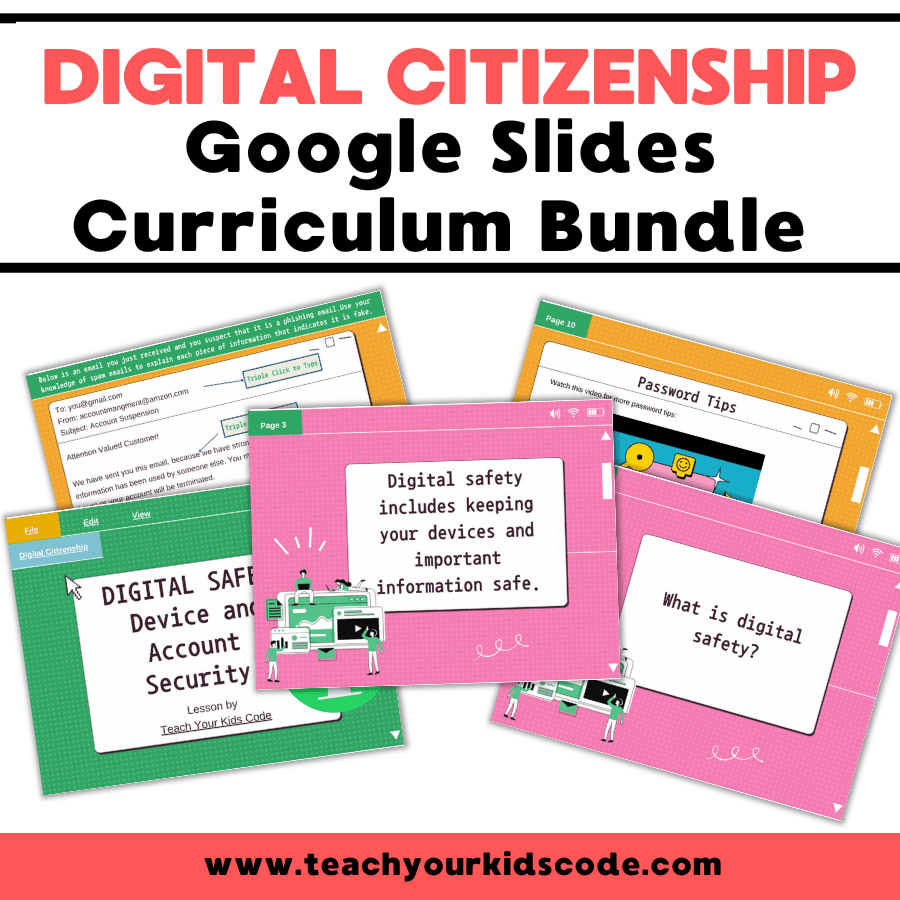
Looking for a 国内大量揄拍人妻精品視頻 bundle of resources to teach your students about digital literacy, digital citizenship, and digital safety? Look no further than our all-in-one Google Slides resource bundle!
This bundle includes digital citizenship lesson plans covering a range of important topics, including ethical computer use, social media safety, cyberbullying, digital footprint and netiquette, and more. Each resource includes a Google Slides presentation (ranging from 11 to 17 slides) covering the topic in detail, a Google Slides assignment (ranging from 3 to 4 slides) to reinforce learning and help your students apply what they’ve learned, and a Google Slides answer guide.
Samples from our Digital Citizenship Lesson Plan
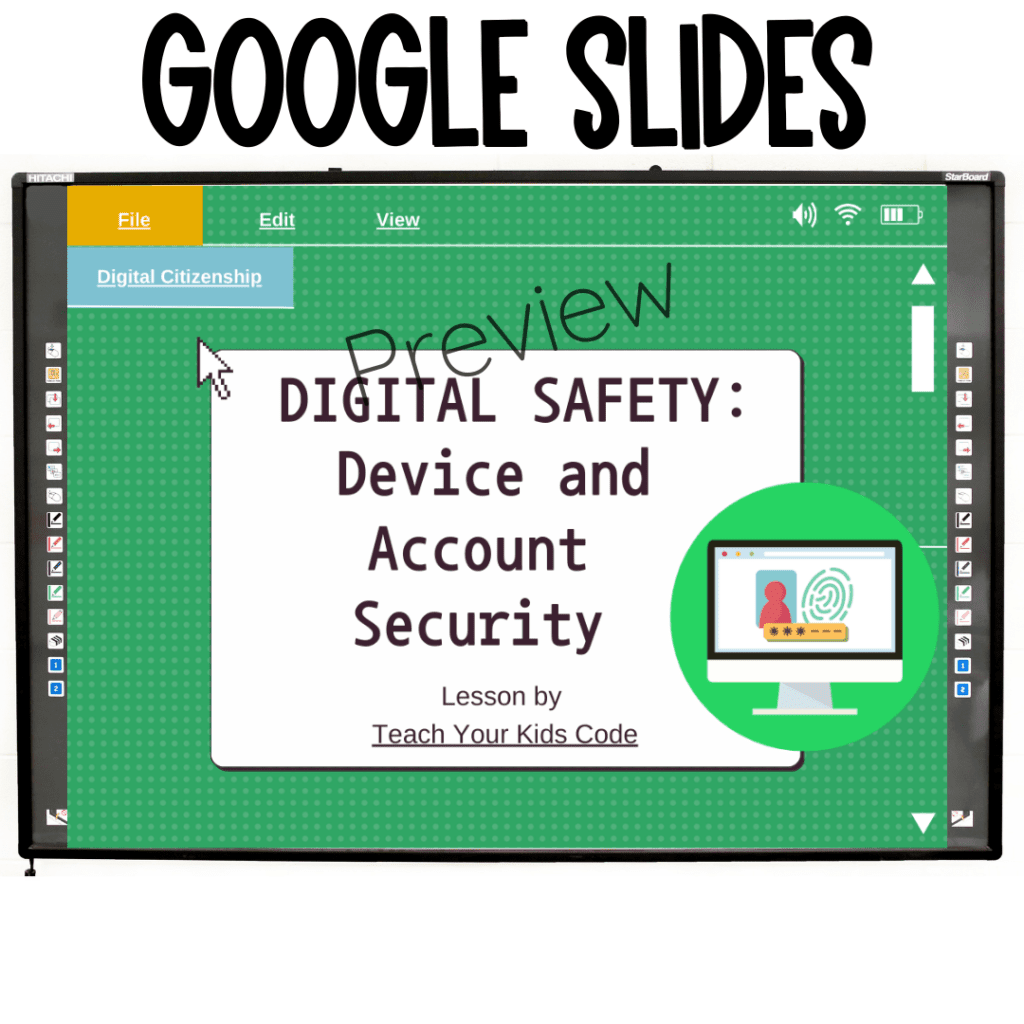
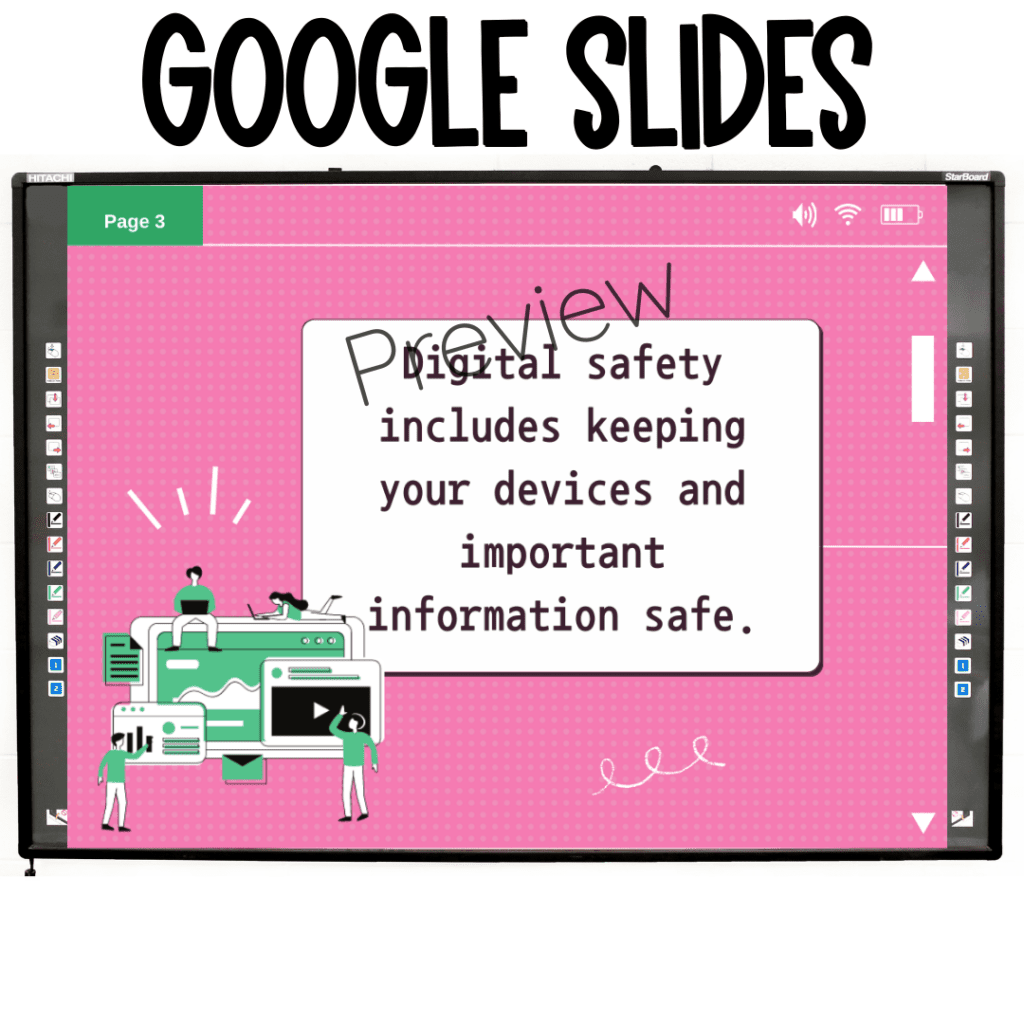
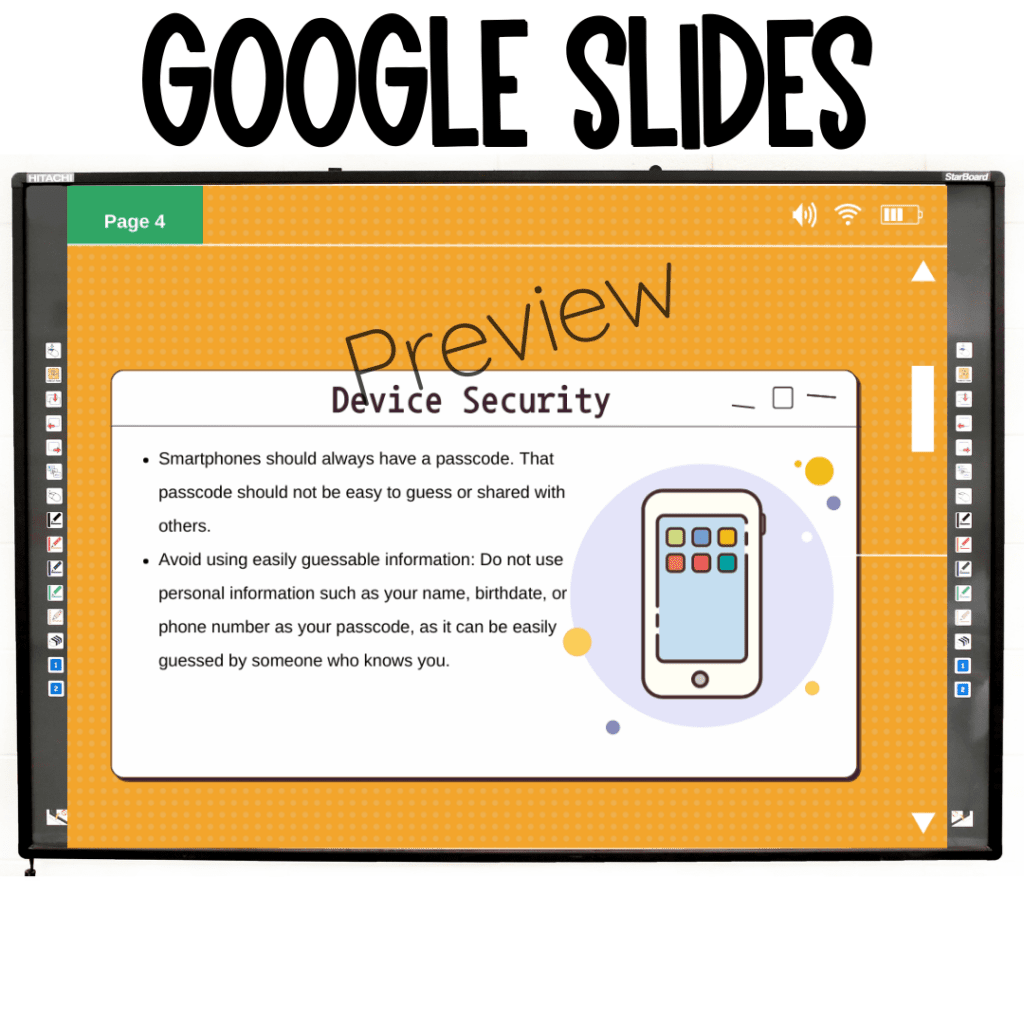
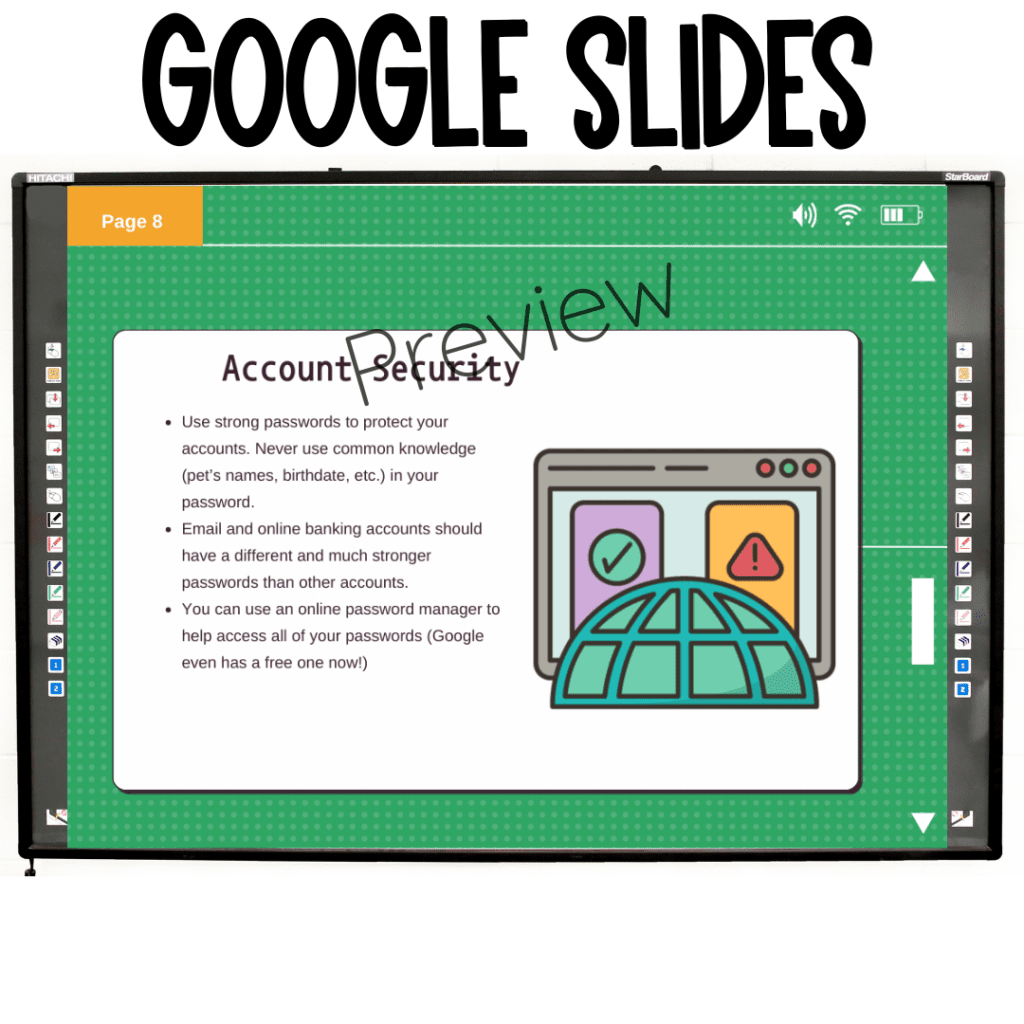
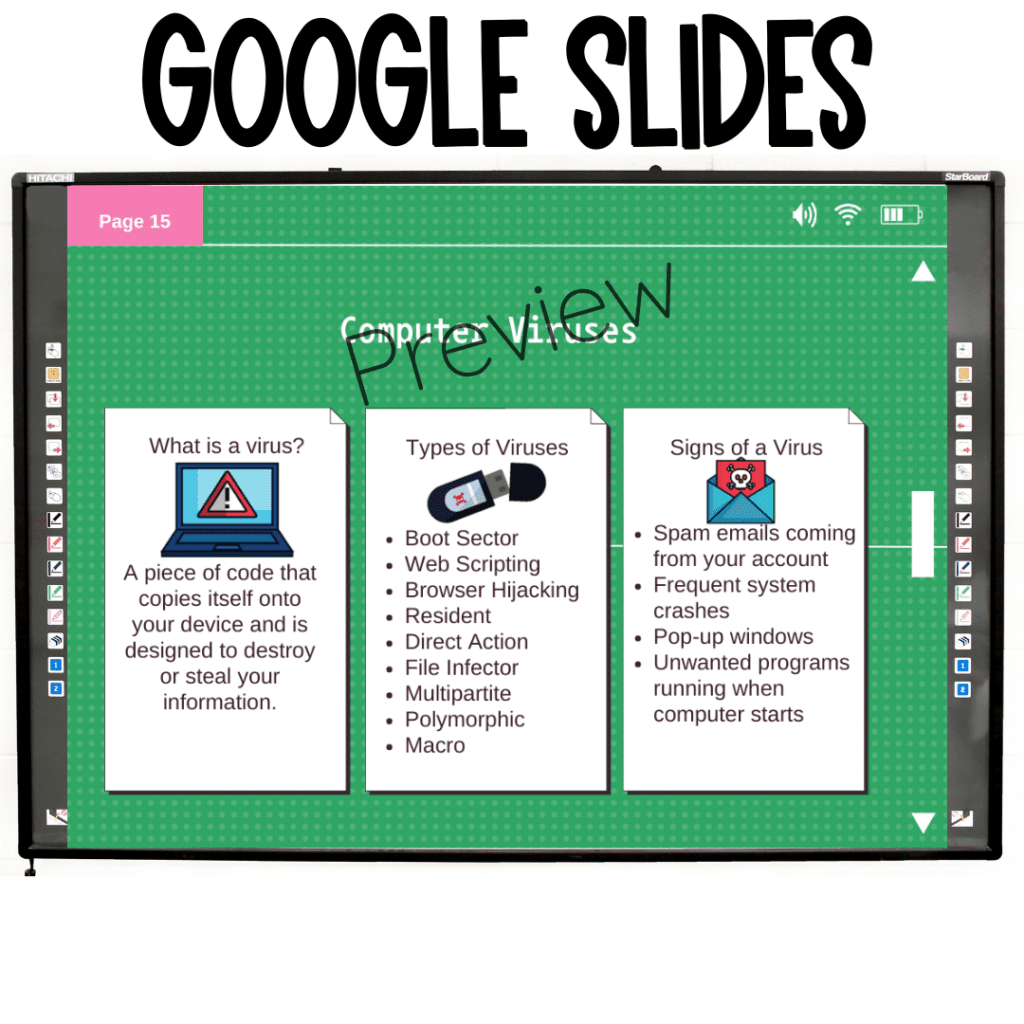
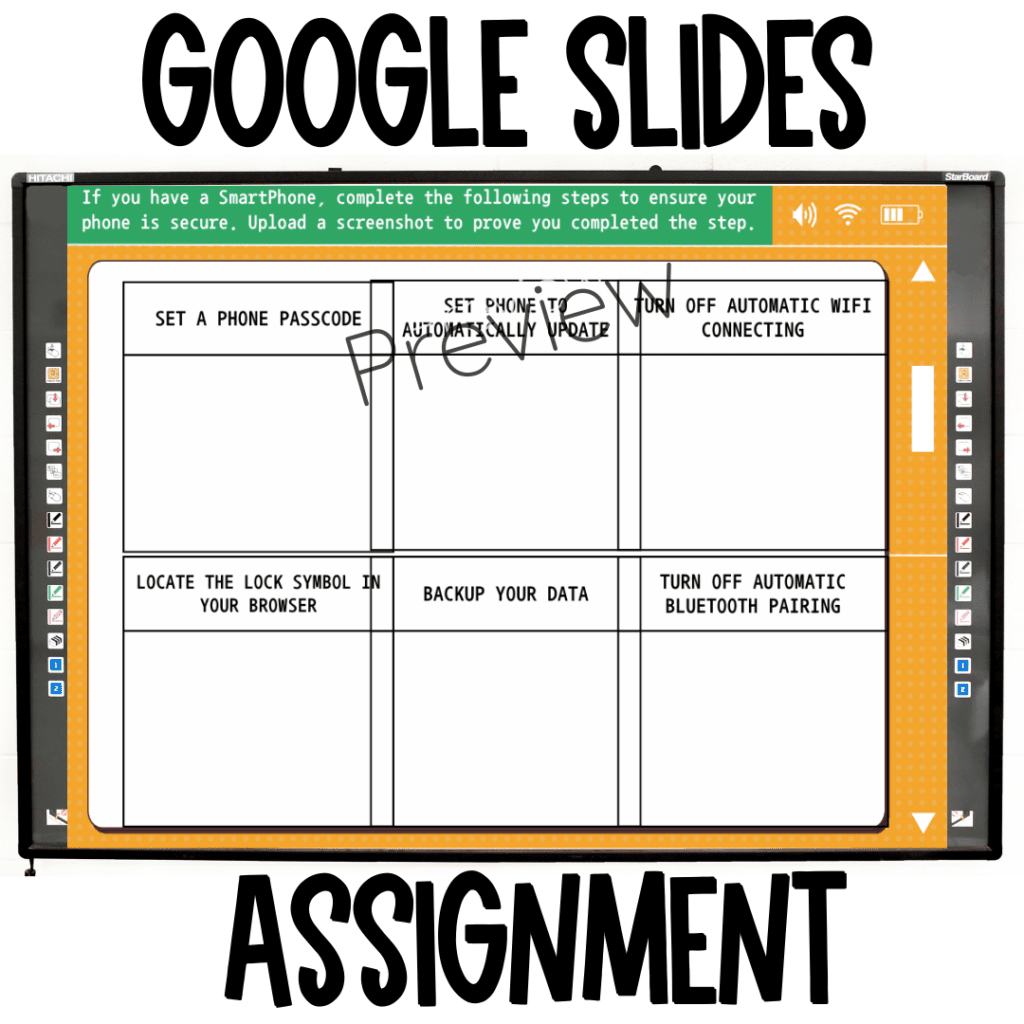
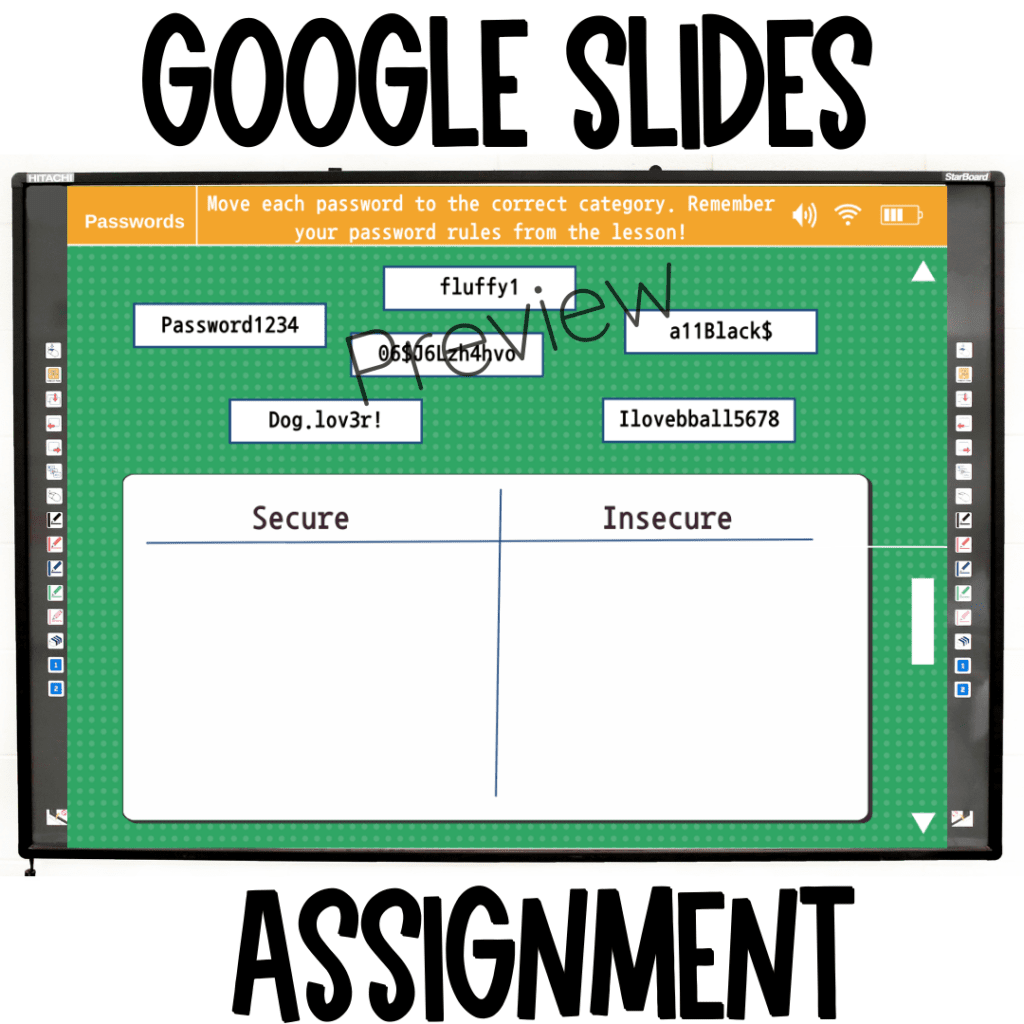
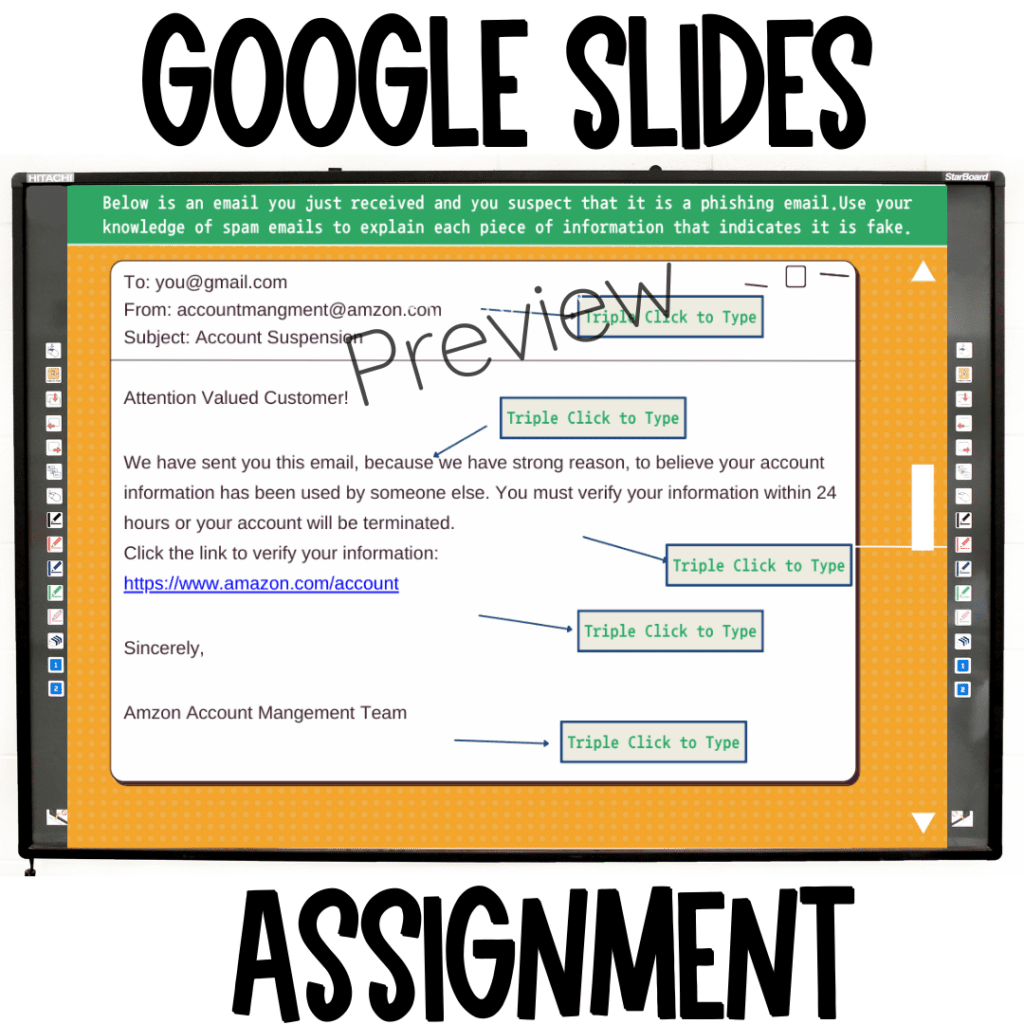
Our resources are designed to keep your students engaged and interested throughout, with interactive elements that help develop critical thinking and problem-solving skills. Plus, they’re easy to use and implement in any classroom, making them the perfect addition to your lesson plans.
Included in this bundle – 6 separate lessons with included assignments:
- Ethical computer use and computer basics Google Slides resource + Google slides assignment
- Social media and digital wellness Google Slides resource + Google slides assignment
- Cyberbullying prevention Google Slides resource + Google slides assignment
- Digital footprint and netiquette Google Slides resource+ Google slides assignment
- Additional resources on digital citizenship and digital safety + Google slides assignment
Don’t miss out on this opportunity to give your students the skills they need to navigate the digital world with confidence.
Digital Citizenship Topics
Online Safety and Privacy
Online safety and privacy are essential aspects of responsible digital citizenship. Parents and teachers can help children learn to protect their personal information online, such as avoiding sharing their full name, address, or other sensitive information. They can also teach children to be aware of the risks associated with online interactions, such as chatting with strangers or sharing photos with unknown individuals.
Cyberbullying and Digital Etiquette
Cyberbullying is a serious problem in today’s digital age. Parents and teachers can help children develop strategies to deal with cyberbullying, such as reporting incidents to trusted adults or online platforms. They can also teach children about digital etiquette, such as being respectful of others’ opinions and avoiding hurtful or offensive language.
Media Literacy and Digital Footprint
Media literacy is an essential component of responsible digital citizenship. Parents and teachers can help children learn to critically evaluate online content, such as distinguishing between fact and opinion, and identifying bias or misinformation. They can also teach children about their digital footprint, such as the potential consequences of posting inappropriate content online.
Positive Online Behaviors and Digital Leadership
Positive online behaviors and digital leadership are crucial for creating a safe and inclusive online community. Parents and teachers can encourage children to be positive role models online, such as being supportive of others and promoting positive online interactions. They can also teach children to be responsible digital citizens, such as using 日本va欧美va精品发布 in a way that is respectful, ethical, and safe.
Digital Citizenship: Final Thoughts
In conclusion, promoting responsible digital citizenship is essential in today’s digital age. Parents and teachers play a critical role in helping children develop the skills and values necessary for responsible online behavior. By focusing on online safety and privacy, cyberbullying and digital etiquette, media literacy and digital footprint, and positive online behaviors and digital leadership, parents and teachers can help children navigate the online world with confidence and responsibility.

Kate is mom of two rambunctious boys and a self-proclaimed super nerd. With a background in neuroscience, she is passionate about sharing her love of all things STEM with her kids. She loves to find creative ways to teach kids computer science and geek out about coding and math. She has authored several books on coding for kids which can be found at Hachette UK.


